Our Services
Somerville Lymphoedema Clinic provides specialised assessment, treatment and ongoing management for lymphoedema and lipoedema, alongside compression therapy, manual lymphatic drainage, skin care and lifestyle guidance. The clinic also offers myotherapy and chronic pain management, using personalised hands-on treatments and practical strategies to help improve movement, reduce pain and support overall wellbeing.
What is lymphoedema?
Lymphoedema is a chronic condition where uncontrolled swelling develops when the lymphatic system is unable to drain fluid from the tissues properly. It most commonly affects the arms or legs, but can occur in any area of the body. Lymphoedema can be primary, occurring when the lymphatic system is damaged or not formed properly during development, or secondary, which typically occurs due to trauma in the body. Common causes include cancer treatment, surgery, radiation, injury, infection or other trauma that affect the lymphatic system. People of all ages can experience lymphoedema, and while it is a long-term condition, early recognition and appropriate management can make a significant difference to people’s quality of life.
How does lymphoedema affect people, and what can treatment do?
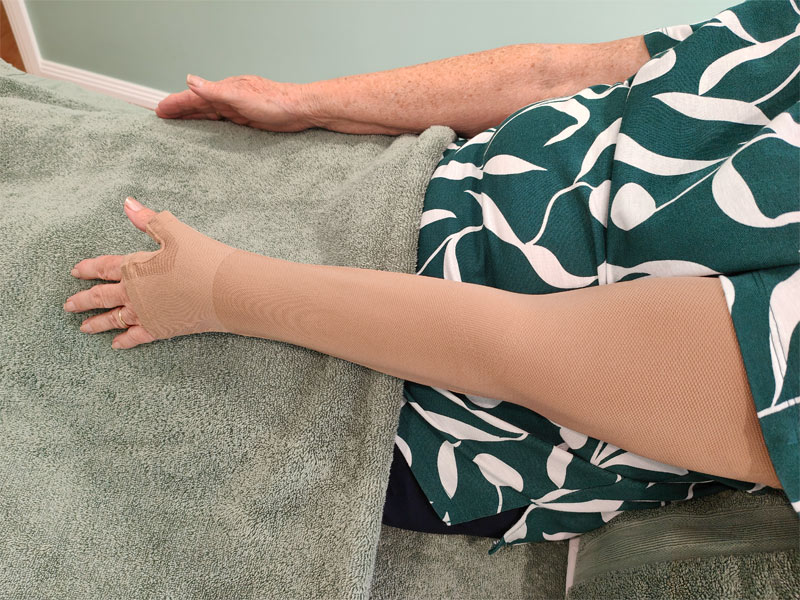
Lymphoedema can cause swelling, heaviness, tightness, aching, changes in the skin and reduced movement or function. It can also affect a person’s confidence, clothing choices, daily activities and overall quality of life. Treatment cannot cure lymphoedema, but it can significantly help control and manage the condition. Lymphoedema management may include compression garment prescription, specialised exercises, skin care, self-management strategies and education. With an individualised treatment plan and ongoing support, treatment can help reduce and control swelling, improve comfort and mobility, protect the skin and reduce the risk of complications such as cellulitis and infections.
What is lipoedema?
Lipoedema is a chronic condition involving the abnormal growth and distribution of fatty tissue, most commonly affecting the legs and arms. There is ongoing research that suggests it can affect other areas of the body, including abdominal and breast tissue. It occurs almost exclusively in women and often develops or becomes more noticeable during periods of hormonal change, such as puberty, pregnancy or menopause. Lipoedema is different from general weight gain and is not simply caused by lifestyle or diet. It is typically characterised by a symmetrical distribution of tissue, with the feet and hands spared. People with lipoedema may also experience tenderness, pain, heaviness, easy bruising and a feeling of tightness in the affected areas.
How does lipoedema affect people, and what can treatment do?
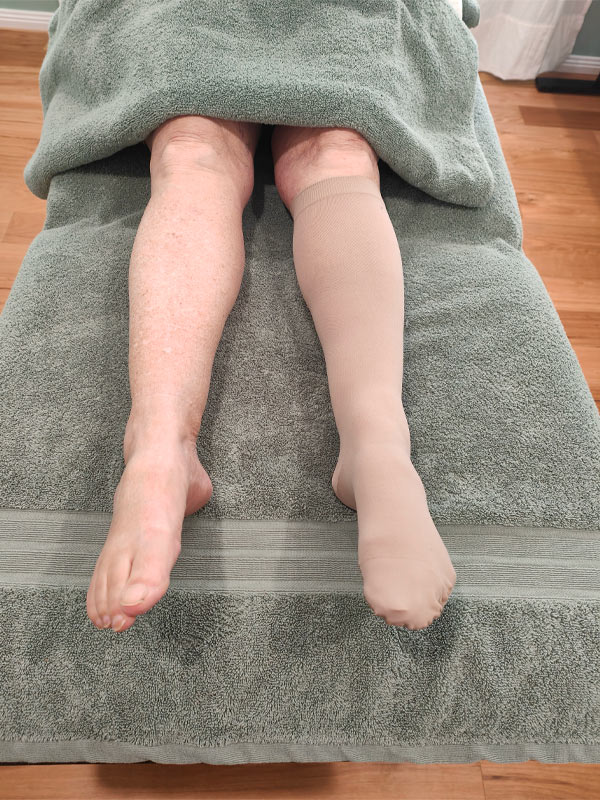
Lipoedema can have a significant physical and emotional impact. As the condition progresses, swelling and fluid retention can develop alongside the fatty tissue, and some people may also develop lymphoedema. While there is currently no cure for lipoedema, appropriate management can help reduce symptoms, support mobility and improve quality of life. Treatment may include compression therapy, exercise prescription, skin care, education, self-management strategies, pharmaceutical intervention, nutritional support and specialised lymphatic techniques. In some cases, lipoedema reduction surgery may also be considered. A personalised approach can help people better manage their symptoms and maintain function and independence.
Looking for support with lymphoedema?
Get personalised assessment and treatment from Somerville Lymphoedema Clinic, with care tailored to your individual needs.
What is Myotherapy?
Myotherapy is a form of hands-on therapy that focuses on the assessment, treatment and management of muscles, soft tissues and movement patterns. With a special focus on chronic conditions, connective tissue disorders, postural muscular tension, TMJ dysfunction, migraines and headaches and sports-related injuries. Myotherapy can be used to support a wide range of people. At the Somerville Lymphoedema Clinic, we make sure every appointment is tailored to each individual based on their symptoms, goals and physical assessment.
What does Myotherapy involve?
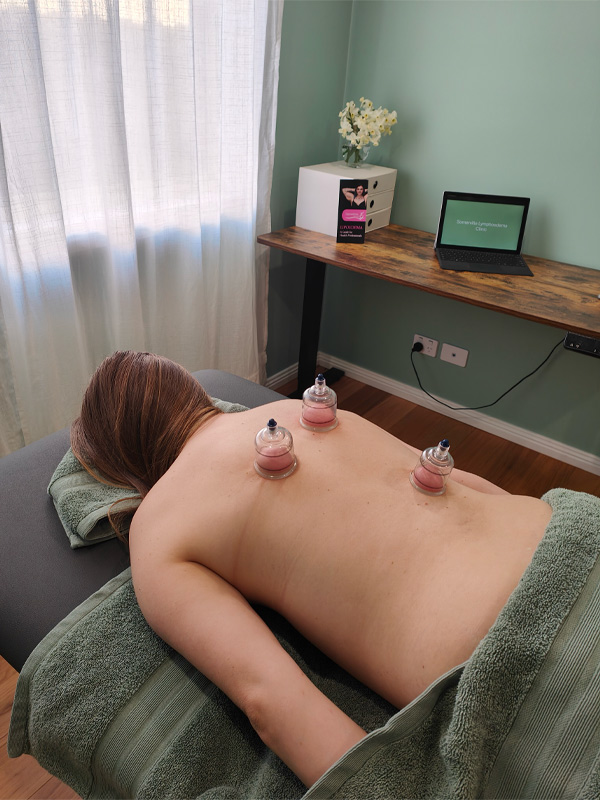
A myotherapy appointment may involve a combination of hands-on soft tissue techniques, massage, trigger point therapy, stretching, joint mobilisation, dry needling, cupping and corrective exercises, depending on the individual’s needs and the practitioner’s assessment. We will discuss your concerns, assess areas of tension or restricted movement and develop a treatment approach suited to you. Treatment aims to reduce muscle tension and discomfort, improve mobility and function, and support your body’s ability to move more comfortably.